


Hewlett-Packard has announced newly updated 17-, 14-, and 13.3-inch consumer notebooks and revamped its 10.1-inch Mini 210 netbook.
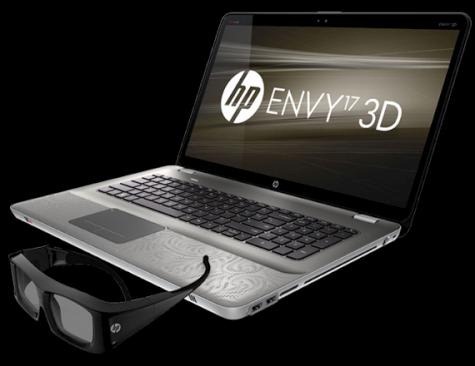
The HP Envy 17 3D is a 17.3 inch, 3D-capable laptop with an Intel Core i7 processor, Beats Audio, ATI graphics, Blu-ray support, and up to 2 TB of storage. Pricing hasn’t been set yet, but the currently-available, non-3D Envy 17 series starts at $1,400, so we can probably expect the new models to cost at least that much when they’re available.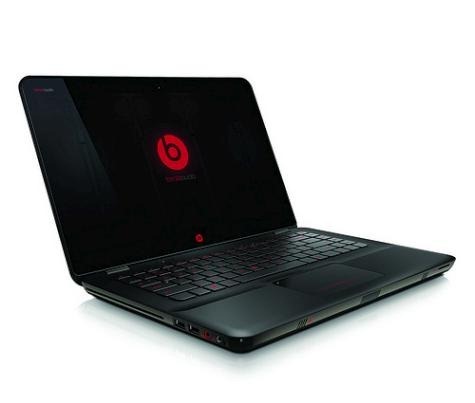
The HP Envy 14 Beats Edition is a 14-inch laptop that features built-in Beats Audio processing and comes with a set of Beats by Dr. Dre Solo headphones from Monster. Pricing starts at $1250.
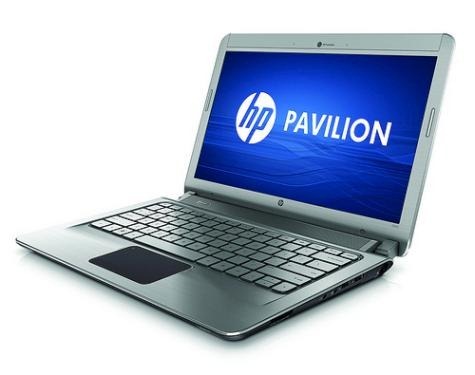
The HP Pavilion dm3 is a thin and light 13.3-inch notebook starting at $650 with the option of ultra low voltage or Core i3 Intel processors. The machines weigh just under 4 pounds, measure less than an inch thick, and feature battery life up to 7.5 hours.
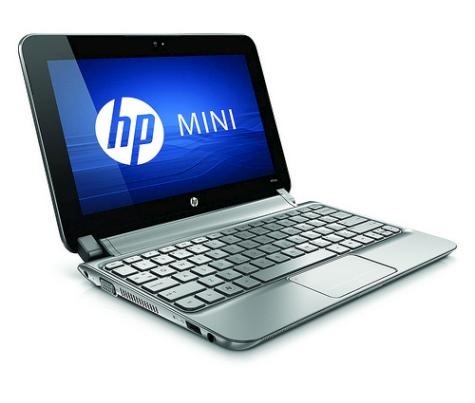
On the netbook front, HP has updated the Mini 210 line with an optional Intel Atom N550 dual-core processor, which brings the starting price of the 10.1-inch notebook to just under $400 if you opt for the new CPU.
More on Techland:
HP Tablets with Palm Operating System Due ‘Early 2011’
HP EliteBook 2540p Review: Elite Features Offset the Elite Price