

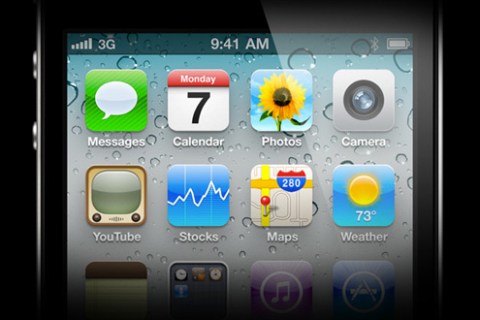
The year’s hottest digital collectibles, apps will become one of 2011’s most dangerous downloads. Available for tech’s most used tools – Facebook, mobile devices, computers and now, your TV – apps are becoming one the most favored attacks by cybercriminals. The key to protection is (unfortunately) in the fine print. “People should be warned about which applications are really looking at their personal information,” Marcus says. “That’s always been the big difficulty with Facebook applications. When you click “Allow,” there’s that warning sign that you’re allowing that application to access your information and you really are. When you click “okay” you’re basically allowing that application to click through your whole profile.”
By far the newest (and most susceptible) platform to app attacks are new Internet-enabled TVs. “You’re still going to the same, old Internet,” Marus says. “That’s the thing people don’t get.” To avoid downloading malicious apps, which could access your iTunes or Amazon account information used to download entertainment, users should stick to brands they know and trust. “If you’re using a Google appliance, stick with YouTube and other Google approved clients instead of going to the ones you don’t really know about.”