Botnets

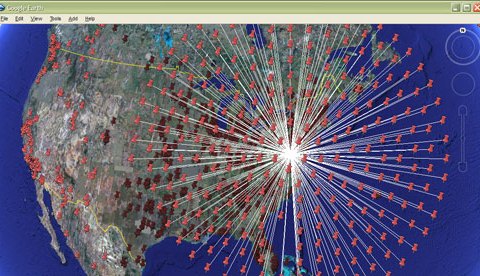
Botnets, software agents that autonomously and automatically once opened, sending out a difficult-to-stop forward transmissions process of Trojans and viruses. Though historically, botnets have shown very little resilience, McAfee predicts a stronger “zombie army” in 2011. Instead of being attacked to a single ISP, botnets are now piggybacking themselves onto applications utilizing the channels of social sites like Twitter or LinkedIn, which means it’s become all the more difficult to put a stop to them. “You can take down an IRC Channel, or you can take down a malicious web site, but the ability to take down Twitter or LinkedIn, that just won’t happen,” Marucs says. “They’re using the channel of Twitter, not the site itself, the application behind it to send commands to their bots.” This will also allow the bots to sneak through firewalls as you’ve already given these social sites to run on your computer.
Hacktivism

On the coat tails of out cry of support for transparency vigilante WikiLeaks, and the subsequent Operation Payback attacks that struck the web because of it, McAfee warns users to look out for even more politically motivated attacks in 2011. But, the WikiLeaks hacktivists can’t take credit for the movement, which has been around for years, Marcus says. “We expect to see more hacktivism with denial of service attacks through Twitter and Facebook, so if you’re following a group or person on Twitter or Facebook and you don’t exactly like their point of view you can engage in a denial of service, kind of like we’re seeing with WikiLeaks now.”
Though these large scale attacks will ultimately be targeted at large sites or news organizations, Marcus still recommends safeguarding your own digital information, beginning with your passwords. Ensure your password security through a password management program, software that will encrypt and store your password information to each online account, eliminating the need for weak, easy-to-remember passwords or multiple uses. “It’s tough to remember 27 different user names and passwords,” Marcus says. “You install a password manager and it will store each of your passwords individually, so they’re protected, but they’re also not written down all over sticky notes.”


