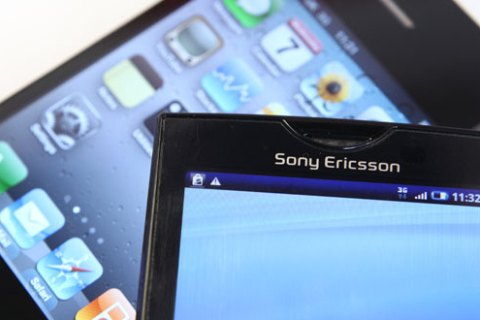
Mobile

With a historically fragile cellular infrastructure and slow strides toward sufficient encryption, the mobile devices are becoming increasingly apt for attacks. As smartphones come standard with most desk jobs (and the average 17-year-old), businesses are connecting their secured e-mail systems with numerous devices that are sent out in the hands of employees – just another avenue of potential exposure. With more network access comes more vulnerability, Marcus says, noting that mobile malware, Trojans and password scams are on the rise. “The bad guys tend to follow where the good guys go, so as more people adopt mobile technology, threats tend to follow those kinds of adoption paths.”
Apple

Gone are the days of the infallible Mac. “In previous years, there used to be the point of view of, “Oh, I have an Apple. I don’t have to worry about viruses,” and to a certain extent that was true,” Marcus says. “You don’t have to worry about PC based attacks on your Mac platform, you have to worry about Mac based attacks on your Mac platform.”
Previously relatively unphased by malicious attacks, Macs will become a viable target for cybercrooks in 2011. While more users adopt highbrow gadgets like iPhones and iPads, sophisticated Mac-targeted malware will seek them out. McAfee expects an increase in Apple-specific botnets and Trojans through malicious code that works on all Mac products. “Convergence serves the bad guys really well, too,” Marcus says, saying that it’s users’ lack of security know-how with these Apple devices that will ultimately put them at risk. So iPad adopters, take note.


