
Our collective appetite for data and mobile bandwidth appears to be increasing.
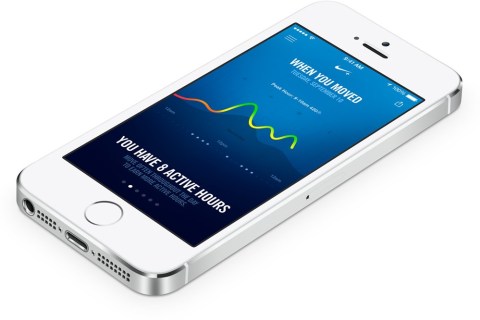
Our collective appetite for data and mobile bandwidth appears to be increasing.
 TechnologizerHistory
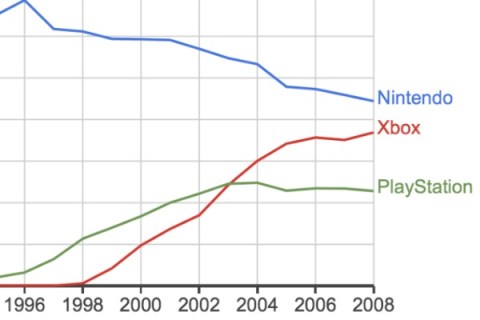
Thirty-five tech terms, and how they came and went over the past few decades.
TechnologizerGoogle

When big companies are at odds with a critical mass of consumers, bet on the consumers.
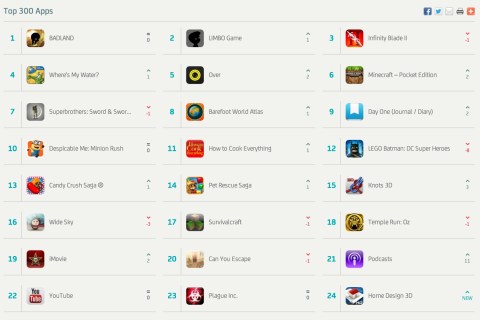
Welcome to the new undiscovered country.

AT&T thinks it’s figured out a new way to make money off the rise of smartphones: Instead of just having consumers pay for mobile data, AT&T plans to allow app makers to cover the cost of data themselves, so it doesn’t count …
Last week, the world was shocked—shocked!—to discover that downloading an electronic book to a device such as a Kindle actually increases the weight of the Kindle. Not by any truly measurable amount, said the New York Times, but still: adding data to a device apparently results in trapped electrons which “have a higher energy than …
Listen up, world. Steve has something he wants to say:
“Apple is not tracking the location of your iPhone. Apple has never done so and has no plans to ever do so.”
It doesn’t happen very often but Apple does, every once in a while, make a public statement about something that isn’t directly related to new product …
Two men in Florida have filed a class action lawsuit against Apple over the recently-reported hidden database file found on iPhones and 3G-enabled iPads that periodically records users’ location coordinates.
The suit claims that “users of Apple products have … no way to prevent Apple from collecting this information because even if …
In case you hadn’t heard, there’s a little file on your iPhone called “consolidated.db” that records your whereabouts every so often.
Some people are upset about it and some people are saying it’s not a big deal. However you perceive it, you can take a simple step to ensure that the location information recorded by your iPhone doesn’t …
At this point, unless you’ve been living under a digital rock, everyone knows that Apple is collecting data from your iPhone. But why are they doing it?
(More: How to Encrypt Your iPhone’s Location Data)
Turns out the answer is simpler than you think, and it doesn’t involve a conspiracy theory, the government or David Duchovny. …
The row about iPhone data logging rumbles on today. One security expert says your iPhone sends your location to Apple “twice a day” – and that you agreed to it (even if you didn’t realize it at the time).
Another says the data file at the center of the row is nothing new, and that Apple never gets its hands on it.
If you’re grumbling your way through a mountain of tax forms at the last minute today (or if you forgot today was tax day—hurry!), you may be wondering where all your hard-earned money is going.
Google wondered the same thing, and sought to answer that question with what it calls the Data Viz Challenge. Per a company blog post:
…