Jerry Brito

By day Jerry Brito researches tech policy and teaches law at George Mason University, and by night he develops web and iOS apps. In between he finds time to write for blogs and host a weekly tech and society podcast, Surprisingly Free.

Articles from Contributor

Sort by  

The Case Against Letting the U.N. Govern the Internet

Reuters

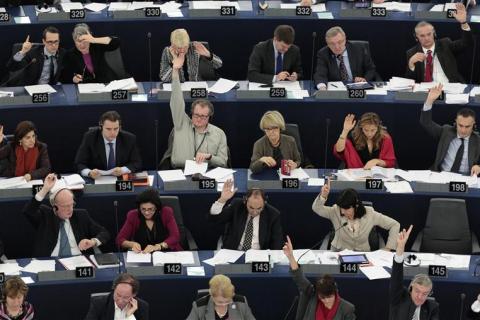
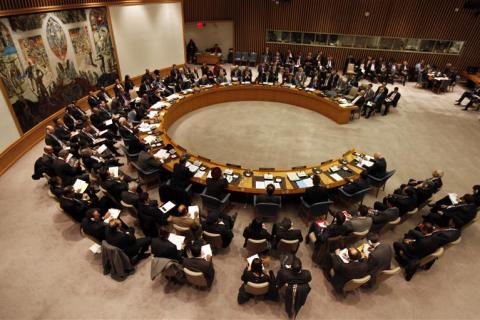
All this year, and culminating in December at the World Conference on International Telecommunications in Dubai, the nations of the world will be negotiating a treaty to govern international telecommunications services between countries. It is widely believed that some countries, including Russia and China, will take the opportunity to push for U.N. control of Internet governance. Such a turn of events would certainly be troubling.

FBI Hacked While Congress Ponders Cybersecurity Legislation

Reuters

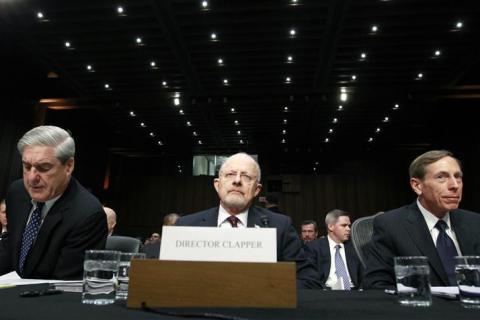
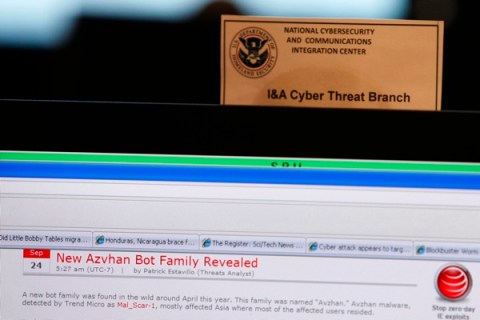
At a rare open hearing of the Senate Select Committee on Intelligence last week, FBI Director Robert Mueller testified that threats from cyber-espionage and cyber-attacks will surpass terrorism as the number one threat facing the United States. Not three days later, hackers released a recording of an intercepted call between FBI agents and their U.K. counterparts investigating the Anonymous and LulzSec collectives.

What Europe’s ‘Right to Be Forgotten’ Has in Common with SOPA

Reuters

In George Orwell’s 1984, the Ministry of Truth employs a “memory hole” to eliminate inconvenient facts. If a previously published photo or record later proves to be embarrassing for the government, it is thrown down the hole. The facts are erased from the face of the earth and the world is led to believe that something that happened never actually happened. The European Commission last week sought to give citizens their own personal memory holes.

Why We Won’t See Many Protests like the SOPA Blackout

Google

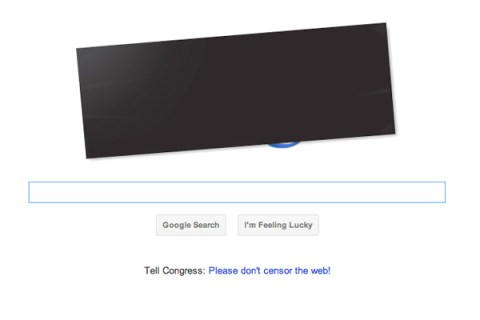
The SOPA blackout protest last week was an unprecedented event. Its massive success surprised even the activists who spurred the protest. So does this mean that we are entering the much-heralded era of Internet-powered citizen democracy? The answer is yes. And no.

Why Google’s Biggest Problem with ‘Search Plus Your World’ Isn’t Antitrust

Google

Some claim that Google Search Plus Your World, which tightly integrates results from Google+ into organic search, violates antitrust laws. Google does have a big problem on its hands, but it’s not an antitrust problem. It’s market reaction.

At the Top of Congress’ New Year Agenda? Regulate the Net

Caroline Purser / Getty Images

When Congress gaveled for the year in December, opponents of two Internet-censoring piracy bills cheered. Their efforts seemed to have blocked the legislation’s movement. But when Congress comes back later this month, it already has a first order of business: regulate the net.

First Privacy, Now Censorship: Will Twitter Continue to Stand Up for Its Users' Rights?

Illustration by Alexander Ho for TIME

In the face of legal pressure last year, Twitter fought for user privacy. This year, its new challenge will be censorship—and a repeat performance would be welcome.

Should We Ban Apple’s Siri While Driving?

Suzanne Plunkett / Reuters / Techland Illustration

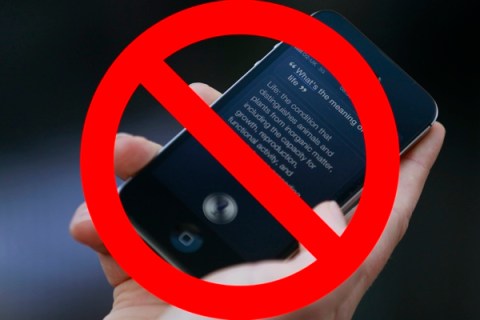
There’s no doubt that distracted driving can lead to car accidents that injure or kill, and the recommended ban is certainly well intended. But the NTSB may not be doing the right thing. An educational campaign to change driver’s habits would be a much better approach.

Face Recognition Technology Comes to Malls and Nightclubs

Reuters

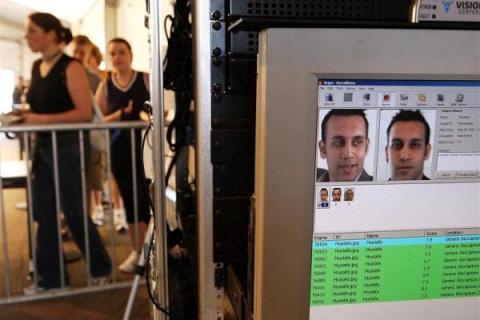
The privacy concerns around the tracking of consumers and targeted advertising online may be coming to the physical world. At a Federal Trade Commission workshop about the privacy implications of face recognition on Thursday, all eyes were on the new “Find My Face” feature in Google+, announced at the conference. The event, however, also focused on how face detection is being used offline in “smart sign” technology and other applications.

The Case Against More Wireless Spectrum for First Responders

Getty Images

After the Supercommittee’s failure, some in Congress are trying to revive spectrum auctions to raise revenue and to make more airwaves available for mobile broadband. One sticking point: Should we give away more spectrum to public safety agencies? It may sound like a no-brainer, but it’s not.

Hackers Blow Up Illinois Water Utility…or Not

Hyungwon Kang / Reuters

Earlier this month hackers accessed the control system of a water utility in Springfield, Illinois via a Russian IP address and caused a water pump to malfunction and eventually fail, according to reports. This would have been the first known kinetic cyberattack on U.S. soil except for one catch: It didn’t happen.