
Moody? Spotify has a playlist for you.

Moody? Spotify has a playlist for you.
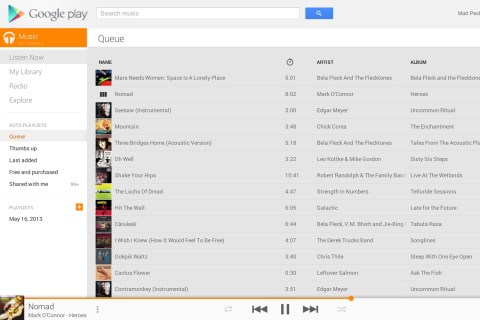
Google Play Music All Access finally brings streaming music to Google’s stable, but it’s not really competing with Spotify at this point.

In the second part of my interview with Murfie CEO Matt Younkle, we cover encoding specifics, questions of legal ownership in a digital-only world and the threat from subscription-based streaming giants like Spotify.
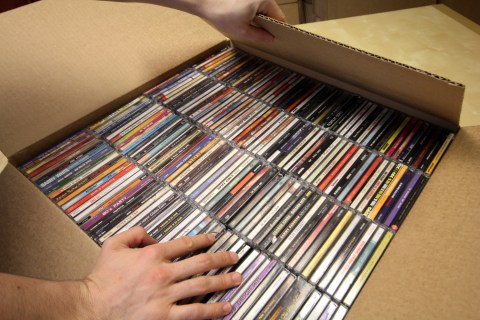
Want to turn your physical music collection into an ultra-high-quality music library and media bank? There’s a service for that.

I went into this piece with the assumption that Spotify needs a family subscription option, but with massive annual losses and allegations of paltry payouts, can the company afford it?

Redbox and Verizon’s streaming video service reportedly won’t have as many movies and shows as Netflix, but it may be $2 per month cheaper.
If you’re one of Netflix’s 25 million subscribers, why do you have an account and what do you use it for? If you’re not, what would get you to sign up?

After years of being undercut by cheaper streaming TV boxes, Boxee is changing course.
The company has discontinued its Boxee Box, a $180 device that streamed Internet sources such as Netflix and Pandora to televisions. In its …

Microsoft has big plans for its new Xbox Music service when Windows 8 arrives on Oct. 26 and Windows Phone 8 a few days later on Oct. 29, but if you’re a gamer and you’d rather not wait, it’s actually available on the Xbox 360 …
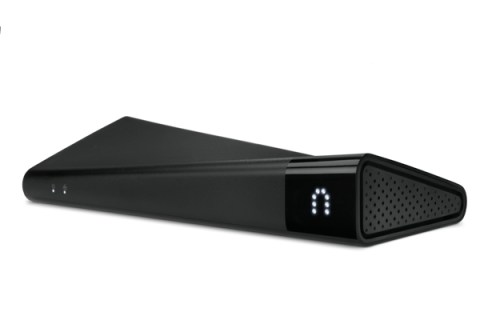
In the beginning–before Hulu, before Netflix Watch Instantly, even before the official launch of YouTube–there was Sling Media’s Slingbox.
The ingenious “place-shifting” box let you re-route the TV signal that would normally …

No matter the potential of Google TV, until now the hardware has just been too expensive compared to other set-top boxes such as Apple TV and Roku. The new Vizio Co-Star, priced at $100, is one of the cheapest Google TV devices …
Bajarin is the president of Creative Strategies Inc., a technology industry analysis and market-intelligence firm in Silicon Valley. He contributes to Big Picture, an opinion column that appears every Monday on Techland.
There …